Aging Untold: The hidden risks of denial in caregiving
(Aging Untold) — On this episode of Aging Untold, we address caregiver denial and explore why recognizing when an aging loved one needs more help leads to better, safer care.
Plus, we share practical ways to make a home safer for aging in place, from quick, low-cost fixes to knowing when to get a full home assessment, as well as costs and resources to help pay for modifications.
Finally, we introduce you to an inspiring Vermont “super ager” approaching 90 who is proving it is never too late to build strength through Pilates.
The hidden risks of denial in caregiving: When a loved one’s decline is hard to accept
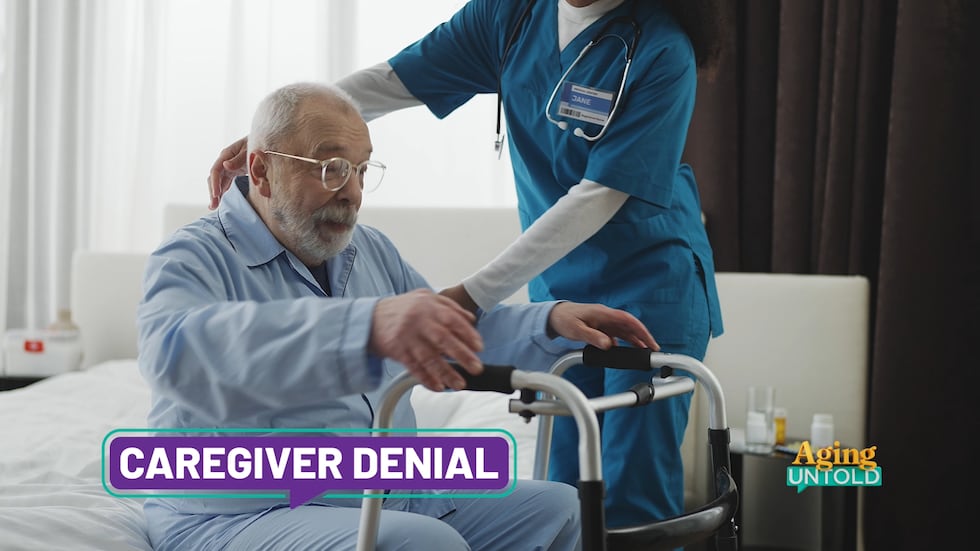
One of the hardest hurdles that families face is admitting when a loved one starts to need extra support.
Being in denial can protect us in a time of grief, but avoiding reality for too long can contribute to caregiver burnout and compromise care.
There are several facets to denial. The Aging Untold experts are sharing the signs to look for and tips for meeting loved ones where they are.
Low-cost home fixes and age tech can help older adults stay safe at home

There are some small changes that you can make in a home to allow you or a loved one to age in place safely.
Tara Ballman, executive director of the National Aging in Place Council, said two low-cost areas have a high impact. The first is trip hazards, and the second is lighting.
Ballman provided additional tips on what long-distance caregivers can look for and recommendations for “age tech,” technology that helps people stay in their homes longer and more safely.
How to speak up for yourself or a loved one during a medical crisis
It can be difficult to think clearly when you or a loved one are going through a medical crisis.
But advocating for yourself or a loved one entails paying attention, asking questions and being vocal, aging well coach Katherine Ambrose said.
She is sharing a personal story, and the Aging Untold experts explain how to build a team to help you navigate a crisis and share relevant information with the care team.
‘Huge inspiration’: 88-year-old Vermont woman keeps moving with Pilates
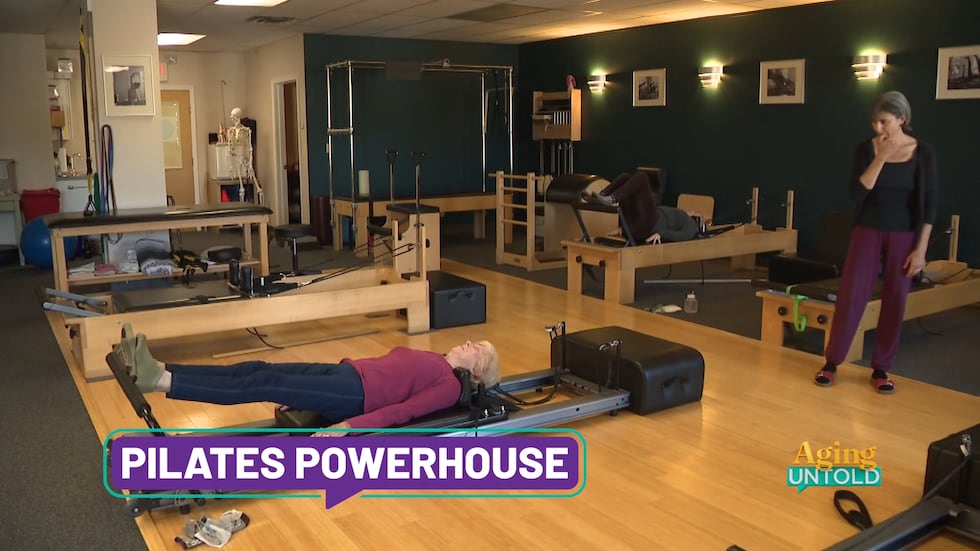
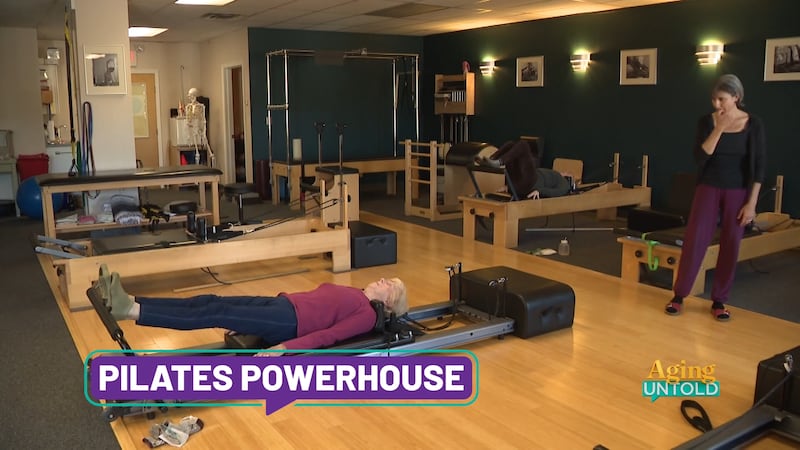
Sue Talmage is sure that she is the oldest student at Essential Physical Therapy and Pilates in Montpelier, Vermont.
The 88-year-old drives there twice a week to take the classes she has been attending for close to two decades.
“It’s an important part of my life,” Talmage said.
Instructor Willow Wonder leads Talmage’s class, which runs 45 minutes with no breaks. She said Talmage serves as an inspiration for others who come to the studio.
This program is provided for educational and informational purposes only and does not constitute providing medical advice or professional services. The information provided should not be used for diagnosing or treating a health problem or disease, and those seeking personal medical advice should consult with a licensed physician. Always seek the advice of your doctor or other qualified health provider regarding a medical condition. Never disregard professional medical advice or delay in seeking it because of something you have seen on this program. If you think you may have a medical emergency, call 911 or go to the nearest emergency room immediately. No physician-patient relationship is created by this program or its use. Aging Untold/Gray Media, nor its employees, contractors or agents, nor any contributor to this program, makes any representations, express or implied, with respect to the information provided herein or to its use.
Copyright 2026 Gray Media Group, Inc. All Rights Reserved.